Every real answer to "does running give you abs" hedges yes and no. Here's the one factor that actually decides it, plus a weekly plan built around your training style.
Some guides say doubling is elite-only, others say anyone can do it. Score yourself against a five-point checklist, then use the schedule and spacing rule that match your level.
Runner's legs are lean, defined, and durable, not bulky. Here's what running does to your legs, the muscles it works, and a simple workout to build them.
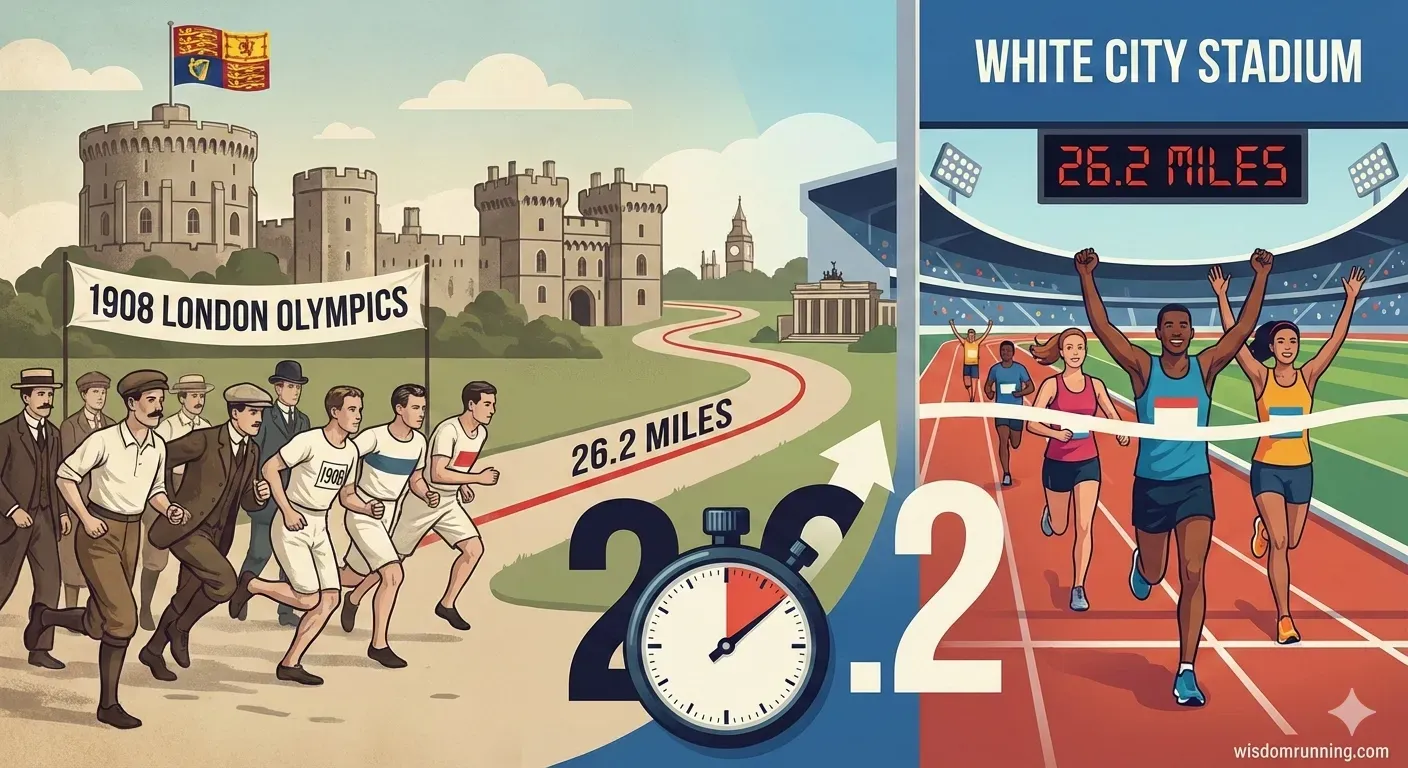
A marathon is 42.195 km or 26 miles 385 yards. Learn why we say 26.2, how the 1908 London Olympics added the final 385 yards, and how courses are measured today so 26.2 is exact, not a guess.
From toe box freedom to heel security, learn the science behind a comfortable stride. Explore the ultimate guide on how running shoes should fit, ensuring your runs are joyful and pain-free.
"Hitting the wall" is a state in which you have no energy left, and your body forces you to quit the race—explaining how to avoid the marathon wall and get along if you hit one.
What do you know about the history of running? When was running invented? And other popular questions about running. The origins of modern running disciplines.
Breaking in running shoes properly can prevent blisters, injuries, and unfortunate breaks in your training. We'll share our tips on how to break in new running shoes as quickly as possible.